Lesson Objective
Master the essential concepts and practical implementation of on-page seo optimization to enhance your digital marketing strategy and achieve measurable business results.
What You Will Learn
- Core principles and concepts of on-page seo optimization
- Step-by-step implementation strategies
- Best practices and industry standards
- Common challenges and how to overcome them
- Measurement and optimization techniques
- Real-world applications and case studies
Required Knowledge or Tools
To get the most from this lesson, you should have:
- Understanding of digital marketing fundamentals
- Access to relevant marketing tools and platforms
- Basic analytical and strategic thinking skills
- Willingness to experiment and test new approaches
Core Concept Explanation
What is On-Page SEO Optimization?
On-page SEO optimization involves optimizing individual web pages to rank higher in search engines and earn more relevant traffic. It focuses on both content optimization and HTML source code improvements that can be controlled directly on your website, as opposed to off-page SEO which involves external signals like backlinks.
Core On-Page SEO Elements
Title Tags
The HTML title element that appears in search results and browser tabs:
- Length: 50-60 characters to avoid truncation
- Keywords: Include primary keyword near the beginning
- Uniqueness: Each page should have a unique title
- Branding: Include brand name when space allows
Meta Descriptions
HTML attributes that provide concise summaries of web pages:
- Length: 150-160 characters for optimal display
- Compelling Copy: Write to encourage clicks from search results
- Keywords: Include relevant keywords naturally
- Call-to-Action: Include action words when appropriate
Header Tags (H1-H6)
HTML elements that structure content hierarchy:
- H1 Tag: One per page, contains primary keyword
- H2-H3 Tags: Organize content sections logically
- Keyword Usage: Include related keywords naturally
- User Experience: Make content scannable and organized
Content Optimization Strategies
Keyword Optimization
- Primary Keywords: 1-2 main keywords per page
- Secondary Keywords: 3-5 related terms and variations
- Keyword Density: 1-2% natural keyword usage
- Semantic Keywords: Related terms and synonyms
Content Quality Factors
- Comprehensive Coverage: Thoroughly address the topic
- Original Content: Unique, valuable information
- User Intent: Match content to search intent
- Readability: Clear, well-structured writing
Technical On-Page Elements
URL Structure
- Descriptive URLs: Include relevant keywords
- Short and Clean: Avoid unnecessary parameters
- Hyphens: Use hyphens to separate words
- Lowercase: Use lowercase letters consistently
Image Optimization
- Alt Text: Descriptive alternative text for images
- File Names: Use descriptive, keyword-rich file names
- File Size: Optimize for fast loading times
- Image Format: Use appropriate formats (WebP, JPEG, PNG)

Effective on-page SEO requires systematic optimization of content, HTML elements, and technical factors
Why This Lesson Matters
Understanding on-page seo optimization is crucial for digital marketing success because it enables you to:
- Improve overall marketing effectiveness and ROI
- Better serve your target audience's needs
- Stay competitive in the digital marketplace
- Make data-driven marketing decisions
- Scale your marketing efforts efficiently
Step-by-Step Tutorial
Phase 1: Page Analysis and Keyword Research
- Conduct Page-Level Keyword Research: Use tools like Google Keyword Planner, Ahrefs, or SEMrush to identify primary and secondary keywords for each page. Focus on keywords with good search volume and manageable competition.
- Analyze Search Intent: Study the top 10 search results for your target keywords to understand what type of content Google favors. Identify whether intent is informational, navigational, commercial, or transactional.
- Audit Current Page Performance: Use Google Search Console to analyze current keyword rankings, click-through rates, and impressions. Identify pages with high impressions but low click-through rates.
- Competitor Content Analysis: Analyze top-ranking competitor pages for your target keywords. Note their content length, structure, topics covered, and optimization techniques.
Phase 2: Title Tag and Meta Description Optimization
- Optimize Title Tags: Write compelling titles that include primary keywords within the first 50 characters. Format: "Primary Keyword - Secondary Benefit | Brand Name". Test different variations for click-through rate improvement.
- Craft Compelling Meta Descriptions: Write 150-160 character descriptions that include primary keywords and compelling calls-to-action. Use active voice and benefit-focused language to encourage clicks.
- Implement Schema Markup: Add relevant structured data markup to help search engines understand your content better. Use schema for articles, products, reviews, FAQs, and local business information.
- Optimize URL Structure: Create clean, descriptive URLs that include primary keywords. Remove unnecessary parameters, use hyphens between words, and keep URLs under 100 characters when possible.
Phase 3: Content Structure and Optimization
- Optimize Header Tag Structure: Use one H1 tag per page containing the primary keyword. Create logical content hierarchy with H2 and H3 tags that include secondary keywords and organize content sections.
- Enhance Content Comprehensiveness: Expand content to thoroughly cover the topic. Aim for 1,500+ words for competitive keywords. Include related subtopics, answer common questions, and provide actionable insights.
- Improve Keyword Integration: Naturally incorporate primary and secondary keywords throughout the content. Use variations and synonyms to avoid keyword stuffing while maintaining relevance.
- Add Internal Linking: Link to relevant pages within your website using descriptive anchor text. Create topic clusters by linking related content together to establish topical authority.
Phase 4: Technical and User Experience Optimization
- Optimize Images and Media: Add descriptive alt text to all images including target keywords when relevant. Compress images for faster loading, use descriptive file names, and implement lazy loading for below-the-fold images.
- Improve Page Loading Speed: Optimize page speed using Google PageSpeed Insights recommendations. Minimize CSS and JavaScript, enable compression, and optimize server response times.
- Enhance Mobile Experience: Ensure pages are fully responsive and mobile-friendly. Test on multiple devices and use Google's Mobile-Friendly Test tool to identify and fix issues.
- Monitor and Iterate: Track rankings, organic traffic, and user engagement metrics. Use Google Search Console and Google Analytics to identify optimization opportunities and measure improvement over time.
Visual Explanation
Visual learning aids help clarify complex concepts and demonstrate practical applications of on-page seo optimization strategies.
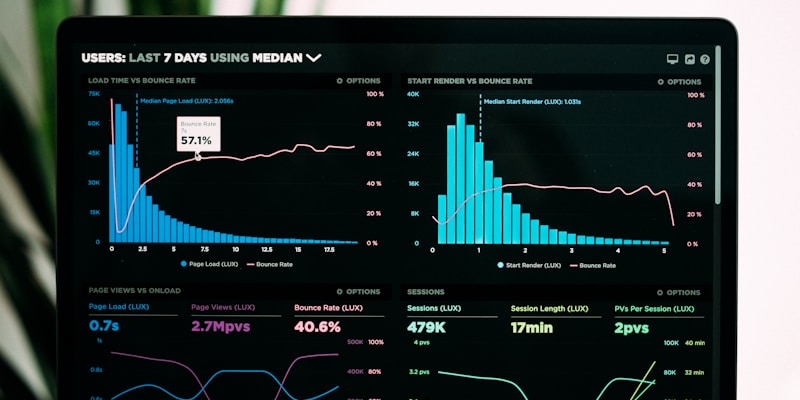
Clear visual explanations make complex on-page seo optimization concepts easier to understand and implement
Common Mistakes and Misunderstandings
Learn from common pitfalls and misconceptions that can hinder your on-page seo optimization success:
- Avoiding strategic planning and jumping straight to tactics
- Not measuring and analyzing performance regularly
- Ignoring audience feedback and preferences
- Expecting immediate results without allowing time for optimization
- Not staying updated with industry changes and best practices
Practical Example or Scenario
This lesson includes detailed case studies and practical examples that demonstrate successful on-page seo optimization implementation across different industries and business types.
Learn how real businesses have applied these strategies to achieve measurable results and overcome common challenges in their digital marketing efforts.
Lesson Summary
This comprehensive lesson on on-page seo optimization provides you with the knowledge, tools, and strategies needed to implement effective campaigns that drive real business results.
By mastering these concepts and applying them consistently, you'll be well-equipped to enhance your digital marketing effectiveness and achieve your business objectives.
Key Takeaway
Success in on-page seo optimization comes from understanding your audience, implementing proven strategies, and continuously optimizing based on performance data.