Lesson Objective
Master the essential concepts and practical implementation of marketing funnel fundamentals to enhance your digital marketing strategy and achieve measurable business results.
What You Will Learn
- Core principles and concepts of marketing funnel fundamentals
- Step-by-step implementation strategies
- Best practices and industry standards
- Common challenges and how to overcome them
- Measurement and optimization techniques
- Real-world applications and case studies
Required Knowledge or Tools
To get the most from this lesson, you should have:
- Understanding of digital marketing fundamentals
- Access to relevant marketing tools and platforms
- Basic analytical and strategic thinking skills
- Willingness to experiment and test new approaches
Core Concept Explanation
What is a Marketing Funnel?
A marketing funnel is a visual representation of the customer journey from initial awareness of your brand to becoming a loyal customer. It's called a "funnel" because it starts wide at the top (many potential customers) and narrows down at each stage as prospects move closer to making a purchase decision.
The Traditional AIDA Model
The classic marketing funnel follows the AIDA framework:
- Awareness: Prospects discover your brand or product exists
- Interest: They show interest and want to learn more
- Desire: They develop a want or need for your solution
- Action: They make a purchase or take the desired action
Modern Marketing Funnel Stages
Top of Funnel (TOFU) - Awareness Stage
At this stage, potential customers are experiencing a problem but may not know solutions exist. They're researching and gathering information.
- Content marketing and SEO drive organic discovery
- Social media creates brand awareness
- Paid advertising introduces your brand to new audiences
- PR and influencer partnerships expand reach
Middle of Funnel (MOFU) - Consideration Stage
Prospects know about your brand and are evaluating whether your solution fits their needs. They're comparing options and building trust.
- Email nurture sequences provide valuable information
- Webinars and demos showcase product capabilities
- Case studies and testimonials build credibility
- Retargeting ads keep your brand top-of-mind
Bottom of Funnel (BOFU) - Decision Stage
Prospects are ready to make a purchase decision. They need final reassurance and clear next steps.
- Free trials or consultations reduce purchase risk
- Detailed product comparisons address final objections
- Limited-time offers create urgency
- Sales team engagement provides personalized support
Post-Purchase - Retention and Advocacy
The funnel doesn't end at purchase. Successful businesses focus on customer retention and turning customers into advocates.
- Onboarding sequences ensure product adoption
- Customer success programs maximize value realization
- Loyalty programs encourage repeat purchases
- Referral programs turn customers into advocates
The modern marketing funnel extends beyond purchase to include retention and advocacy stages
Why This Lesson Matters
Understanding marketing funnel fundamentals is crucial for digital marketing success because it enables you to:
- Improve overall marketing effectiveness and ROI
- Better serve your target audience's needs
- Stay competitive in the digital marketplace
- Make data-driven marketing decisions
- Scale your marketing efforts efficiently
Step-by-Step Tutorial
Step 1: Map Your Current Customer Journey
- Identify Touchpoints: List every interaction customers have with your brand, from first discovery to post-purchase support.
- Analyze Customer Behavior: Use Google Analytics to understand how visitors navigate your website and where they drop off.
- Survey Existing Customers: Ask how they discovered you and what influenced their purchase decision.
- Create Journey Maps: Visualize the path customers take, including emotions and pain points at each stage.
Step 2: Define Funnel Stages and Goals
- Set Stage-Specific Objectives: Define what success looks like at each funnel stage (awareness metrics, engagement rates, conversion rates).
- Identify Key Performance Indicators: Choose metrics that matter for each stage - traffic for awareness, email signups for interest, sales for conversion.
- Establish Conversion Benchmarks: Research industry standards and set realistic conversion rate goals between stages.
- Create Stage Definitions: Clearly define what qualifies a prospect for each funnel stage based on their actions and engagement.
Step 3: Develop Stage-Specific Content and Strategies
- Top-of-Funnel Content: Create educational blog posts, infographics, and videos that address common problems your audience faces.
- Middle-of-Funnel Nurturing: Develop email sequences, webinars, and comparison guides that build trust and demonstrate value.
- Bottom-of-Funnel Conversion: Design compelling landing pages, offer free trials, and create urgency with limited-time promotions.
- Post-Purchase Retention: Build onboarding sequences, customer success programs, and referral incentives.
Visual Explanation
Visual learning aids help clarify complex concepts and demonstrate practical applications of marketing funnel fundamentals strategies.
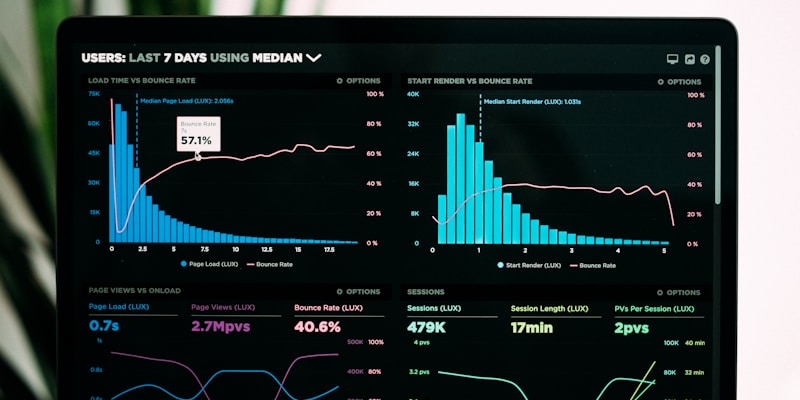
Clear visual explanations make complex marketing funnel fundamentals concepts easier to understand and implement
Common Mistakes and Misunderstandings
Learn from common pitfalls and misconceptions that can hinder your marketing funnel fundamentals success:
- Avoiding strategic planning and jumping straight to tactics
- Not measuring and analyzing performance regularly
- Ignoring audience feedback and preferences
- Expecting immediate results without allowing time for optimization
- Not staying updated with industry changes and best practices
Practical Example or Scenario
Let's examine how a SaaS project management tool company builds an effective marketing funnel:
Top of Funnel - Awareness (Target: Project Managers)
- SEO Content: Blog posts like "10 Common Project Management Mistakes" and "How to Improve Team Productivity"
- Social Media: LinkedIn articles sharing project management tips and industry insights
- Paid Ads: Google Ads targeting "project management software" and related keywords
- Partnerships: Guest posts on business and productivity blogs
Middle of Funnel - Consideration
Email Nurture Sequence (7-part series)
Email 1: "Welcome! Here's your project management assessment"
Email 2: "5 signs your team needs better project management"
Email 3: Case study - "How Company X increased productivity by 40%"
Email 4: "Free template: Project planning checklist"
Email 5: Webinar invitation - "Streamlining workflows for remote teams"
Email 6: Product demo video and feature comparison
Email 7: "Ready to try? Start your free 14-day trial"
Bottom of Funnel - Conversion
- Free Trial: 14-day full access with onboarding support
- Sales Outreach: Personal demos for enterprise prospects
- Social Proof: Customer testimonials and G2 reviews prominently displayed
- Limited Offers: "Sign up this month and save 20% for your first year"
Results:
Conversion Rates: 2% visitor-to-trial, 15% trial-to-paid, resulting in 0.3% overall conversion rate and $150 customer acquisition cost with $2,000 lifetime value.
Lesson Summary
This comprehensive lesson on marketing funnel fundamentals provides you with the knowledge, tools, and strategies needed to implement effective campaigns that drive real business results.
By mastering these concepts and applying them consistently, you'll be well-equipped to enhance your digital marketing effectiveness and achieve your business objectives.
Key Takeaway
Success in marketing funnel fundamentals comes from understanding your audience, implementing proven strategies, and continuously optimizing based on performance data.