Lesson Objective
Master Facebook marketing strategies to build brand awareness, engage your audience, and drive business results through both organic content and paid advertising on the world's largest social media platform.
What You Will Learn
- Facebook's business ecosystem and marketing opportunities
- How to create and optimize Facebook Business Pages
- Content strategies that drive engagement and reach
- Facebook advertising fundamentals and campaign types
- Audience targeting and custom audience creation
- Facebook analytics and performance measurement
Required Knowledge or Tools
To implement Facebook marketing effectively, you need:
- Facebook Business Manager account (free)
- Facebook Page for your business
- Basic understanding of your target audience from previous lessons
- Content creation tools (Canva, Adobe Creative Suite, or similar)
- Budget for Facebook advertising (optional but recommended)
Core Concept Explanation
Facebook's Marketing Ecosystem
Facebook offers multiple marketing opportunities across its family of apps including Facebook, Instagram, Messenger, and WhatsApp. With over 2.9 billion monthly active users, Facebook provides unparalleled reach and sophisticated targeting capabilities.
Organic vs. Paid Facebook Marketing
Organic Marketing
Free content posted to your Facebook Page that appears in followers' feeds and can be discovered through search and sharing:
- Page posts (text, images, videos, links)
- Facebook Stories and Reels
- Live streaming and events
- Community engagement and customer service
Paid Advertising
Sponsored content that appears to targeted audiences beyond your followers:
- Feed ads in News Feed and Stories
- Video ads and carousel formats
- Lead generation and conversion campaigns
- Retargeting and lookalike audiences
Facebook Algorithm and Reach
Facebook's algorithm determines which content appears in users' feeds based on factors like:
- Relationship between user and content creator
- Content type and engagement history
- Recency and relevance of posts
- Overall engagement rates and quality signals

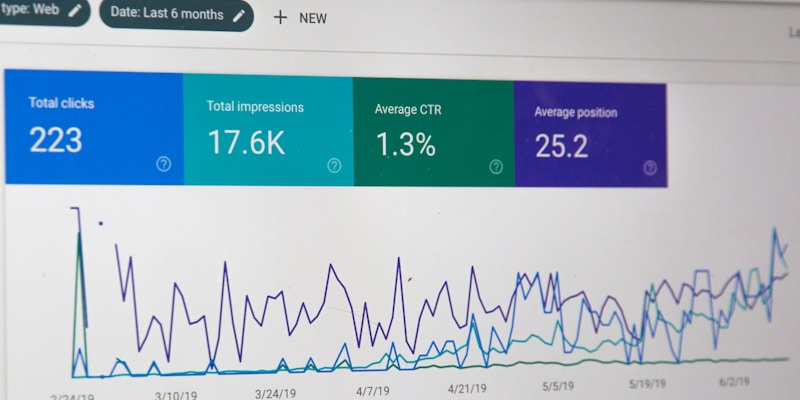
Facebook's comprehensive analytics provide detailed insights into audience behavior and campaign performance
Why This Lesson Matters
Facebook marketing is essential for modern businesses because:
- Facebook reaches 36% of the global population monthly
- Users spend an average of 33 minutes per day on the platform
- Facebook ads have an average ROI of $4.20 for every $1 spent
- The platform offers the most sophisticated audience targeting available
- Facebook drives significant website traffic and conversions
- It enables direct customer communication and community building
Step-by-Step Tutorial
Phase 1: Facebook Page Optimization
- Create Business Manager Account: Set up Facebook Business Manager to manage your pages, ads, and team access in one centralized location.
- Optimize Page Information: Complete all profile sections including business description, contact information, hours, and location details.
- Design Visual Elements: Upload high-quality profile picture and cover photo that reflect your brand identity and current promotions.
- Set Up Page Tabs: Configure relevant tabs like Shop, Services, Reviews, and Events based on your business type.
Phase 2: Content Strategy Development
- Define Content Pillars: Establish 3-4 main content themes that align with your audience interests and business goals.
- Create Content Calendar: Plan posts in advance using tools like Facebook Creator Studio or third-party scheduling platforms.
- Develop Visual Assets: Create branded templates and graphics that maintain consistent visual identity across posts.
- Plan Engagement Strategy: Determine how you'll respond to comments, messages, and reviews to build community.
Phase 3: Advertising Campaign Setup
- Install Facebook Pixel: Add tracking code to your website to measure conversions and create retargeting audiences.
- Define Campaign Objectives: Choose from awareness, consideration, or conversion objectives based on your marketing goals.
- Create Target Audiences: Build custom audiences using demographics, interests, behaviors, and website visitors.
- Design Ad Creative: Develop compelling visuals and copy that speak to your target audience's needs and motivations.
Visual Explanation
Facebook marketing success requires coordinating organic content with paid advertising:
Effective Facebook marketing combines consistent organic content with strategic paid advertising to maximize reach and engagement
The Facebook marketing funnel moves from awareness-building content through engagement and consideration to conversion-focused advertising, creating a comprehensive customer journey.
Common Mistakes and Misunderstandings
Mistake: Posting Only Promotional Content
Facebook users engage with valuable, entertaining, or educational content. Follow the 80/20 rule: 80% valuable content, 20% promotional content.
- Ignoring Facebook's community standards: Violating policies can result in reduced reach or account suspension.
- Not responding to comments and messages: Social media requires active engagement and customer service.
- Using poor quality images: Visual content drives engagement, so invest in high-quality graphics and photos.
- Targeting audiences too broadly: Specific targeting typically performs better than broad audiences.
- Not testing ad variations: A/B testing different creative and copy improves campaign performance.
Practical Example or Scenario
Here's how a local bakery successfully uses Facebook marketing:
Organic Content Strategy:
- Behind-the-scenes content: Daily baking process videos and baker introductions
- Product showcases: High-quality photos of fresh pastries and seasonal items
- Customer features: Photos of customers enjoying products and celebration cakes
- Educational content: Baking tips, ingredient spotlights, and recipe modifications
Paid Advertising Campaigns:
Campaign Example: Weekend Special Promotion
Objective: Drive store visits and weekend sales
Audience: People within 5 miles, ages 25-55, interested in baking and local businesses
Creative: Mouth-watering photo of weekend special pastries with "Limited Time" messaging
Budget: $50 for weekend promotion
Results: 15% increase in weekend foot traffic, 25 new page followers
This integrated approach builds community through organic content while driving immediate business results through targeted advertising.
Lesson Summary
Facebook marketing success requires balancing organic community building with strategic paid advertising. The platform's sophisticated targeting capabilities and massive reach make it essential for most businesses, but success depends on understanding audience preferences and platform best practices.
The key to Facebook marketing lies in providing value to your audience through engaging content while using advertising to amplify your reach and drive specific business objectives. Consistent posting, active engagement, and continuous optimization based on analytics data are crucial for long-term success.
Key Takeaway
Facebook marketing works best when you focus on building genuine relationships with your audience through valuable content, then use advertising to scale your most successful organic efforts.